Taking braces on is a major decision, but the anxiety you feel before your appointment for Professional Teeth Braces is generally far greater than what actually happens. During the first fourteen days, your mouth will adjust to the new equipment, changing pressure, and new daily habits.
If you’re concerned about the pain you’ll experience during the first week, or unsure how you’ll cope with eating and talking, here’s a realistic, day-by-day account of what to expect during those first two weeks.
Day 1: Fitting and What the Pressure Feels Like
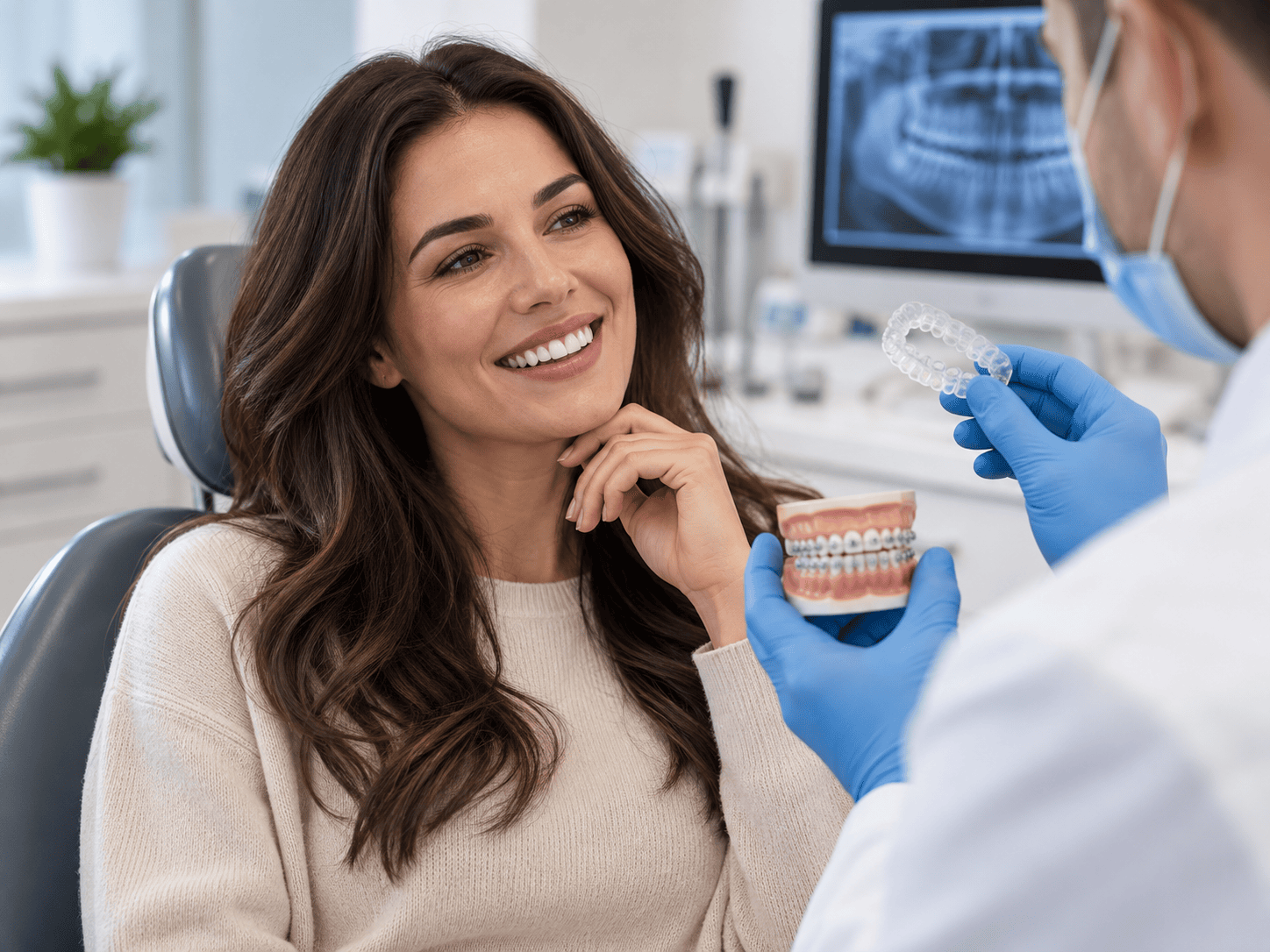
Fitting in the braces takes about one to one and a half hours, and whether you are getting metal or Ceramic Braces in Dubai, the appointment is not painful at all. The orthodontist will clean your teeth, apply a weak etching gel, glue the brackets onto the middle of each tooth, and then pass a thin, flexible wire through them.
When you leave the clinic, you won’t be in any pain, just a strange, bulky sensation under your lips and a slight, dull tightness over your arches. You’ll feel the pressure 4 to 6 hours later. When the archwire begins to pull on your teeth, the periodontal ligaments, which are the small fibers that attach your tooth roots to your jawbone, become inflamed. By bedtime on Day 1, your teeth will feel tender whenever they come into contact, showing that the biological process of moving bone has started.
Days 2 to 4: The Sore Phase and What Genuinely Helps
Soreness peaks on Days 2, 3, and 4. During this time, chewing anything solid causes sharp, aching pressure, and the pain from brace adjustments is at its worst, with your mouth feeling most uncomfortable.
Knowing what to eat with braces during these three days saves you a lot of misery:
- Limit yourself to liquids and soft foods that need no chewing, such as lukewarm soups, smoothies, yogurt, mashed potatoes, scrambled eggs, protein shakes, and oatmeal.
- Avoid anything hot, spicy, or acidic, as it can irritate the sensitive tissue in the cheeks.
- As needed, take over-the-counter pain relief such as ibuprofen or paracetamol every six to eight hours, and take a dose thirty minutes before eating.
- To soothe the inflamed gum tissue, rinse your mouth with warm salt water three times a day.
Days 5 to 7: Eating Again
By the fifth day, the steady background throb decreases considerably as your periodontal ligaments adjust to the constant pressure, and your teeth become much less sensitive to touch.
This is the stage when you begin to reintroduce soft and solid foods into your diet. You can move on to well-cooked pasta, soft rice, steamed fish, tender vegetables, and soft bread.
The key now is to change how you eat. You can no longer bite into food with your front teeth, since doing so could knock a bracket off. Cut all your food into small, bite-sized pieces and chew only with your back molars.
Week 2: Speech, Ulcers and Wax
By the beginning of your second week, the severe tooth pain has entirely disappeared, so the main problem becomes irritation of the soft tissues.
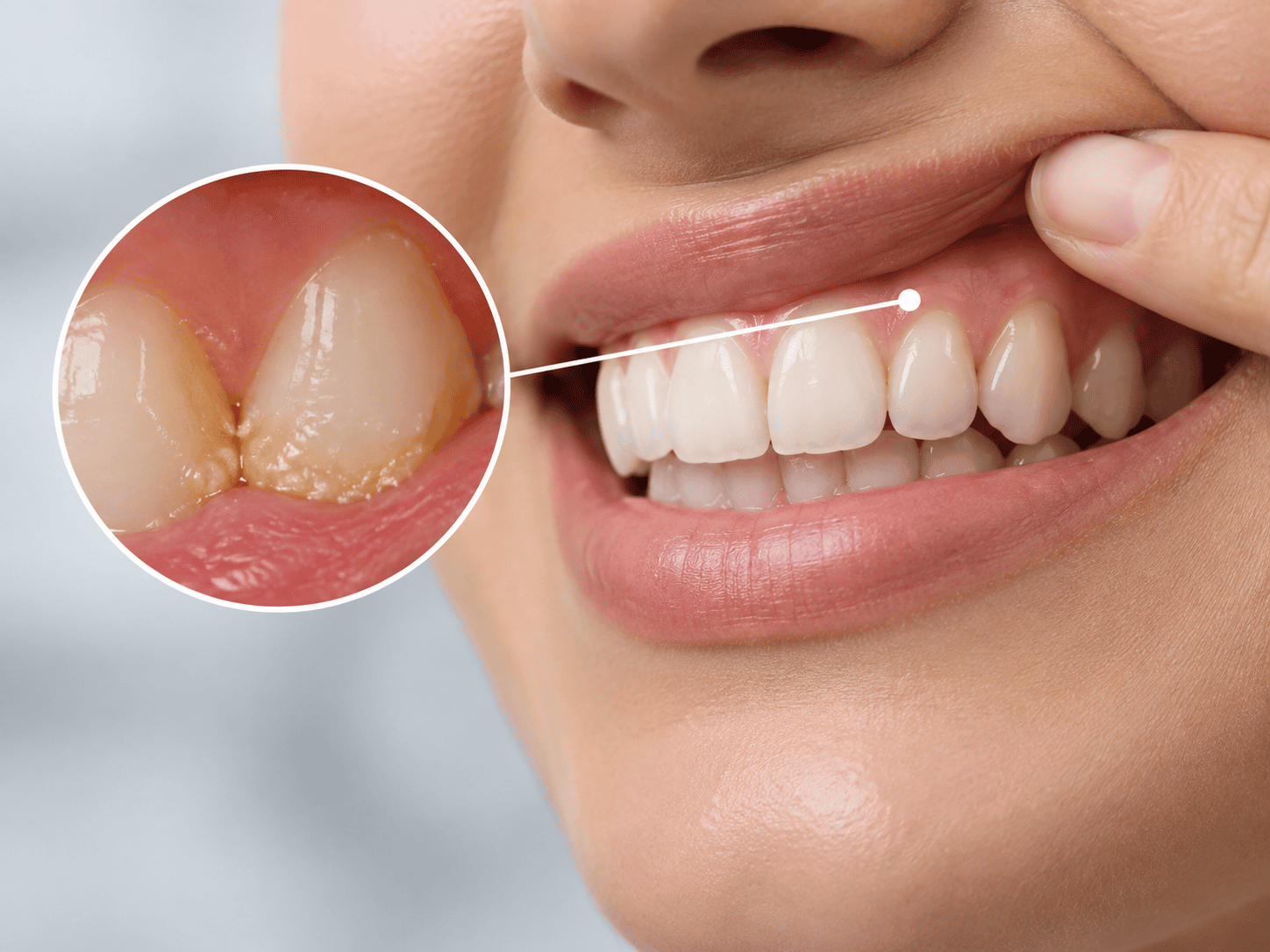
The metal or ceramic brackets constantly rub against the sensitive inner surfaces of your lips and cheeks, and by the eighth or ninth day, you may develop several slight, painful mouth ulcers where the brackets scrape.
This is where orthodontic relief wax becomes your best friend:
- Take a small amount of wax, roll it into a ball between your fingers to warm it, and use a tissue to dry the bracket that is rubbing.
- Put the soft ball of wax directly onto the bracket until it covers the sharp edges.
- Keep the device on when you’re speaking or sleeping so your cheek tissue has a chance to heal and strengthen.
In week two, your speech will also become more steady. You may notice a slight lisp in the first few days because of increased saliva production, but by day ten your tongue will have naturally shifted position.
Your First Adjustment Appointment
The first follow-up or adjustment appointment usually takes place four to six weeks after the fitting.
During your appointment, your orthodontist will check your oral hygiene, examine how your arches are aligning, and usually replace the main archwire with a slightly thicker one to keep your teeth moving. You could also receive new elastic ties for each bracket.
The good news is that later adjustments never cause as much discomfort as the first fitting. However, your teeth will feel a bit tender for 24 to 48 hours after the wire is changed because your mouth has already developed calluses and is used to the pressure. So the recovery period is considerably shorter.
Red Flags Worth a Phone Call
While soreness, minor cheek scrapes, and tight pressure are completely normal, a few situations warrant a quick call to your clinic:
- A Loose Bracket: If a bracket breaks its bond and slides freely along the wire, call your orthodontist to schedule a quick re-bonding appointment so your wire stays active.
- Poking Wire Ends: As your teeth move, the end of the wire can poke out behind your back molars and gouge your cheek. You can temporarily cover the sharp wire end with a heavy lump of wax, but your clinic needs to snip the excess wire.
- Severe, Unmanageable Pain: If over-the-counter pain medicine doesn’t touch the soreness or if you develop severe facial swelling, contact your doctor immediately.
Frequently Asked Questions
How long does the initial braces pain last?
The sharpest soreness peaks between Days 2 and 4 and almost completely disappears by Day 7. By your second week, you won’t feel pain while resting.
What happens if I accidentally swallow a piece of orthodontic wax?
Nothing at all. Orthodontic wax is completely non-toxic and natural, so it passes through your digestive system without any harm.
Can I drink cold drinks during the sore phase?
Yes. Drinking ice water or sucking on ice chips is actually a great natural way to numb your gums and temporarily reduce inflammation during the first few days.
Why do my teeth feel slightly loose in the second week?
This is completely normal. To move a tooth, the body temporarily breaks down bone tissue around the root, making the tooth feel slightly springy or loose. Once the tooth reaches its target position, new bone fills in and locks it firmly in place again.
You’ve Got This
In the first two weeks with your braces at Art of Teeth, you’ll need some patience and will have to make a few adjustments, but the temporary soreness disappears quickly. After your cheeks toughen and you’ve gotten used to preparing soft foods, wearing the braces will soon become a regular part of your daily routine. For the first week, stick to your soft diet, keep the wax handy, and remember that each day of pressure brings you one step closer to a straight, healthy smile.