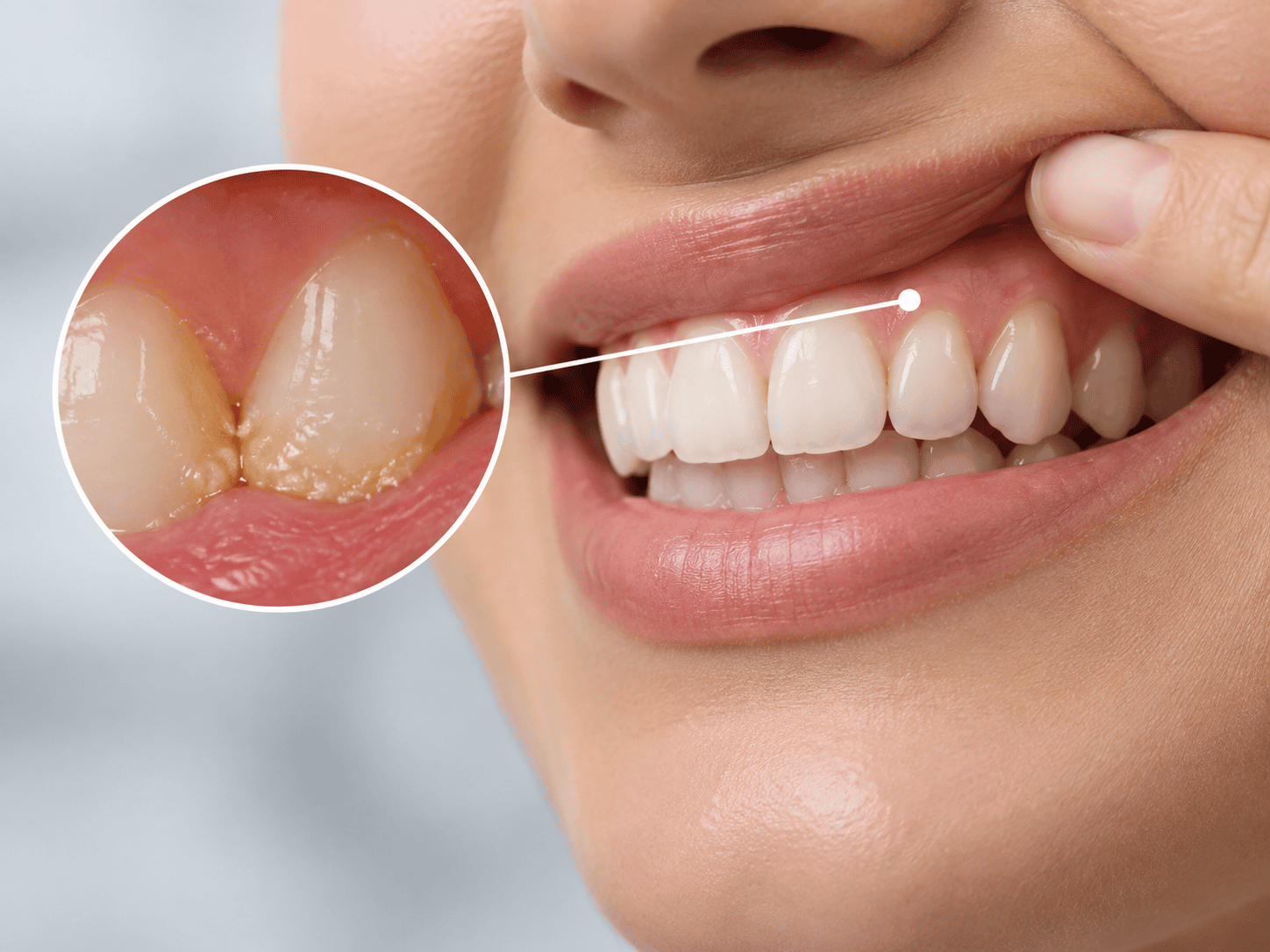
It is a common experience to run your tongue along the back of your teeth and, instead of feeling smooth enamel, feel a rough and crumbly ridge; that gritty sensation is not merely due to food residue but is a physical indication that the bacteria in your mouth have hardened into a solid mass.
If you’re asking what tartar on the teeth is and why it develops along the gumline, Gummy Smile Treatment in Dubai, the first step to getting your teeth to feel clean again is understanding how plaque turns into a permanent buildup.
What That Rough Film Is on Your Teeth Actually Is
The sticky layer that covers your teeth in the morning is known as dental plaque. It is a soft biofilm of oral bacteria mixed with saliva and food proteins, and you can easily remove it with brushing and flossing.
If you let plaque remain on your teeth for a day or two, the calcium and phosphate in your saliva soak into it; the bacteria take in these minerals and harden into dental calculus, the medical term for tartar.
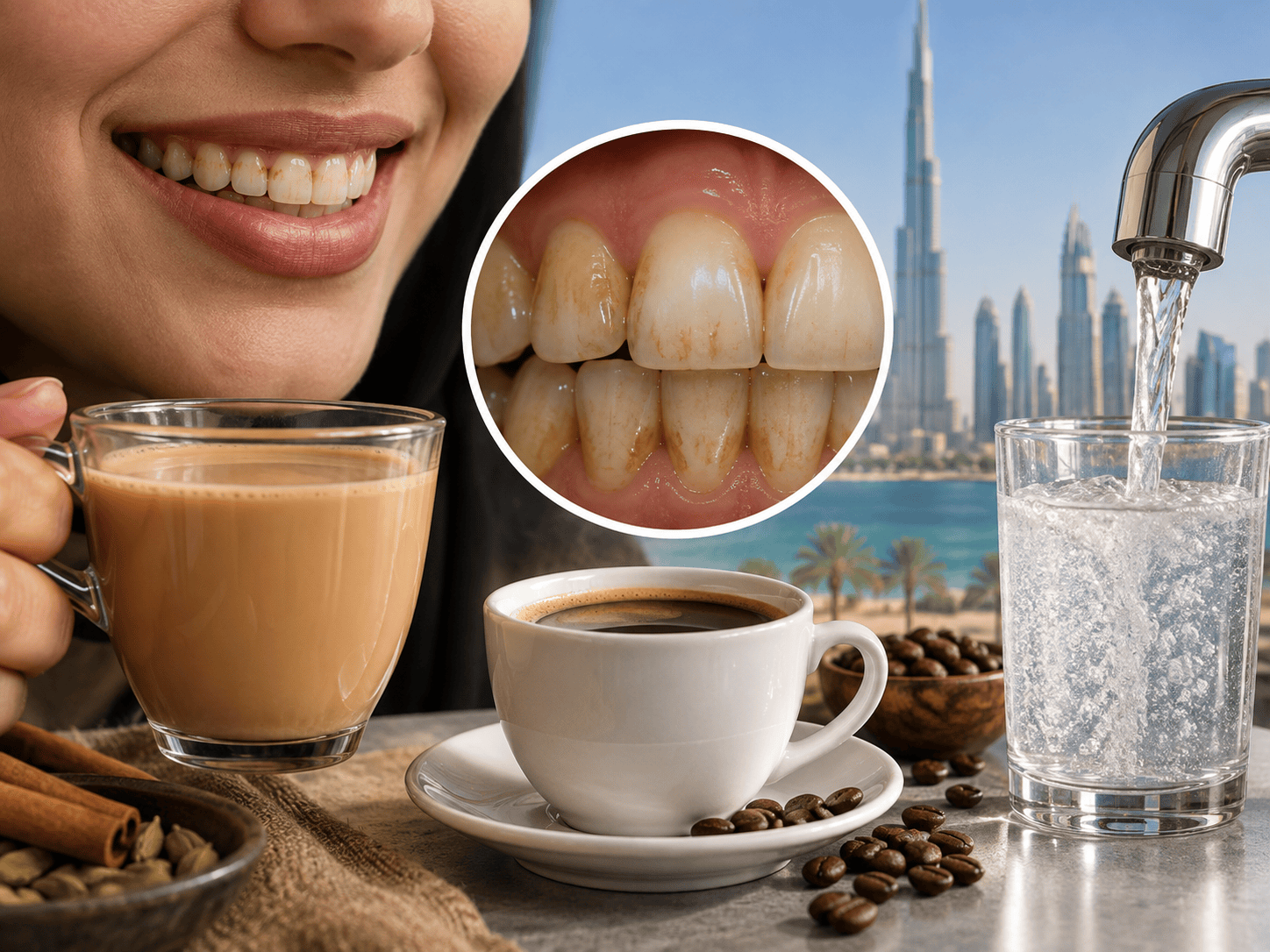
Once plaque hardens, its texture changes completely; what was once a slippery surface becomes a rough, porous ledge firmly attached to the tooth enamel. Because tartar is porous, it acts like a sponge and absorbs food pigments, coffee, tea, and tobacco, quickly changing from pale yellow to dark brown or black along the gumline.
Plaque vs Tartar: The 48-Hour Window
You can tell the difference between plaque and tartar by timing, texture, and how you can clean them.
Dental plaque is soft, sticky, and usually invisible or very pale yellow; it keeps forming all day, especially after consuming carbohydrates or sugars. You can easily remove it at home with a regular toothbrush, interdental brushes, or dental floss.
Because plaque can harden into tartar within 48 hours, regular dental visits are essential to prevent buildup that home care can’t fully remove. Professional cleanings help keep your teeth healthy and reduce your risk of gum disease.
Why It Always Starts Behind the Lower Front Teeth
Right now, if you look in your mouth, the roughest surface is likely on the tongue side of your lower front teeth or the cheek side of your upper back molars. This isn’t accidental, since your major salivary glands drain into those areas.
Three main pairs of salivary glands exist. The sublingual and submandibular glands are located directly beneath the floor of the mouth and release saliva straight back of the lower front teeth through small openings under the tongue. The parotid glands sit in the cheeks and discharge saliva beside the upper back molars.
Because saliva transports minerals like calcium and phosphate, frequent consumption of sugary foods and drinks can accelerate tartar formation, highlighting the importance of diet and lifestyle choices in maintaining oral health.
Why Brushing Harder and Whitening Toothpaste Do Not Work
When you notice your toothbrush feels rough, you may naturally brush more vigorously or switch to an abrasive whitening toothpaste; even if you are considering a Gummy Smile Treatment, neither method is effective, and both can damage your mouth.
Brushing Harder: Tartar is bonded to your enamel like concrete to brick. Pressing harder with a toothbrush or using stiff bristles will not break the bond, but it will wear down your protective enamel and scrub away your delicate gum tissue, leading to gum recession and exposed root surfaces.
Whitening Toothpaste: Most whitening toothpastes rely on coarse abrasive particles to scrape away surface stains from tea or coffee. Overusing high-abrasive toothpastes eventually strips enamel while leaving the tartar intact.
Attempting to remove tartar at home with DIY scraping tools is dangerous and ineffective; professional dental cleanings use specialized instruments to remove calcified deposits safely and thoroughly.
What a Teeth Cleaning Appointment Actually Removes
Since calcified deposits are firmly attached, only a professional can safely remove tartar. Booking a teeth cleaning in Dubai ensures your teeth are cleaned effectively without risking damage or discomfort.
During a professional tartar removal visit in Dubai, the clinician uses a combination of gentle, effective tools:
Ultrasonic scalers combine high-frequency sound vibrations with a fine spray of water to break up the calcified bonds of tartar and remove bacterial debris within a few seconds.
Hand Scalers: With fine stainless steel hand instruments, the dentist can manually detect microscopic tartar deposits and remove them cleanly from smooth root surfaces.
Air-Polishing & Rubber-Cup Polishing: Once all hardened deposits are removed, a fine polishing paste smooths out microscopic rough spots on your enamel, making it much harder for new plaque to stick in the coming weeks.
When Rough Turns Into Bleeding
It’s not merely an aesthetic problem, nor is it just a gritty texture you feel when you run your tongue along your gums; tartar is rough and porous, so it offers a safe, protected place for harmful bacteria to multiply right against your soft tissue.
Over time, tartar’s rough, porous surface provides a protected environment for harmful bacteria, increasing the risk of gingivitis and progression to more serious gum disease, which can affect your overall health.
Frequently Asked Questions
Can mouthwash be used to dissolve the tartar on my teeth?
Although antiseptic mouthwashes can kill free-floating bacteria and reduce initial plaque, none of the mouthwashes available commercially can dissolve tartar after it has calcified onto your enamel.
How often do I need a professional cleaning?
Dental professionals generally recommend a professional cleaning every six months. Still, if you have mineral-rich saliva, wear orthodontic braces, or have a history of gum disease, your dentist may recommend visits every three to four months.
Does removing tartar hurt?
Scaling on healthy gums is usually comfortable and involves a slight vibrating or tapping pressure. If your gums are inflamed or you have exposed, sensitive root surfaces, your dentist can use a topical numbing gel or local anesthetic to make the process painless.
What can I do to prevent tartar from accumulating so quickly behind my lower teeth?
When brushing, pay particular attention to the tongue side of your lower teeth. Hold your toothbrush so the bristles are vertical, and the brush head covers the back of your front teeth. Use an electric toothbrush with a small, round head, and sweep away plaque daily with dental floss or interdental brushes before the 48-hour mineralization window closes.
Keep Your Smile Clean and Healthy
A rough ridge along your gumline is a reminder that it is time for a professional reset. Brushing and flossing daily keeps soft plaque under control, but routine dental cleanings ensure that calcified tartar never gets the chance to compromise your gums or enamel.
If you notice a stubborn, gritty film or bleeding gums when you brush, schedule a professional checkup and cleaning with your dentist at Art of Teeth today to restore a smooth, clean feel.