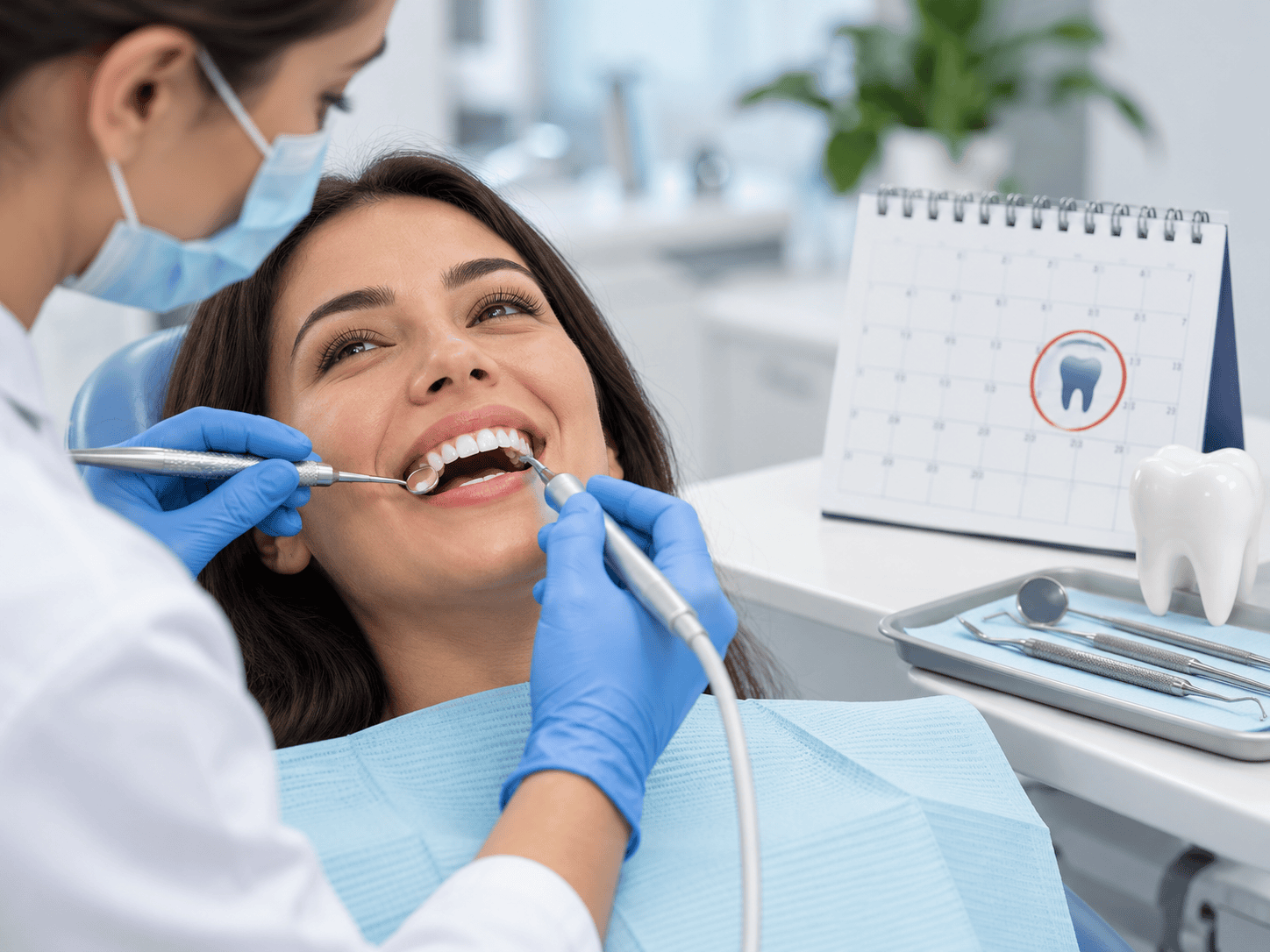
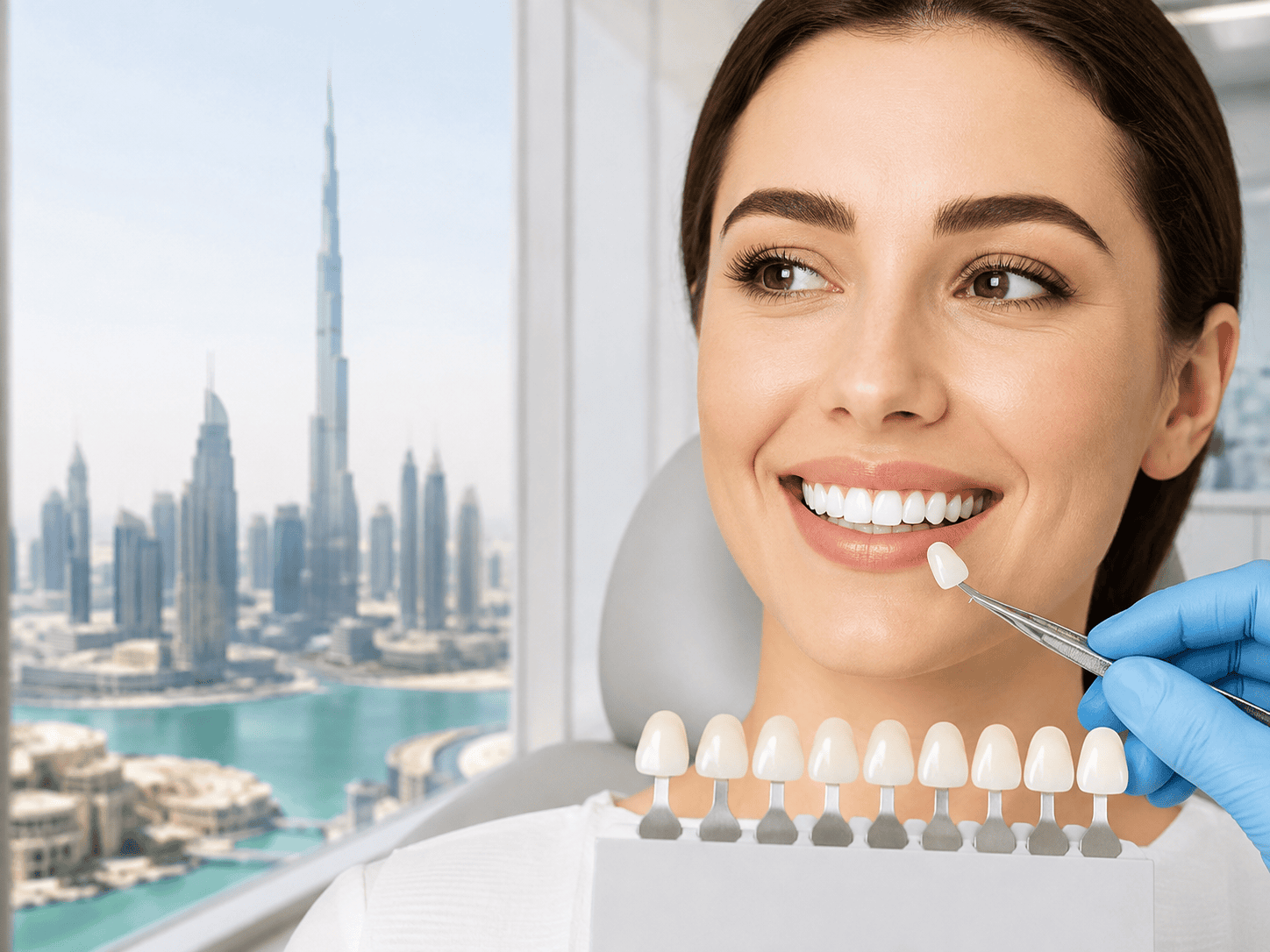
For years, patients have been told to sit in the hygiene chair every six months. However, if you ask a group of today’s clinicians how often you should have your teeth cleaned, or whether you need a Professional Teeth Cleaning Al Barsha, the straightforward answer is that the six-month routine doesn’t suit everyone.
Your cleaning frequency should be based on your oral biology, daily habits, and how quickly your body forms calculus. Below is how you can work out the appropriate cleaning schedule for your mouth.
The Short Answer, by Risk Group
Not all mouths accumulate plaque and tartar at the same rate; instead, the time between cleanings falls into one of three clear categories.
People in the low-risk category can usually wait nine to twelve months before a professional cleaning. When your saliva has low mineral content, you clean your teeth and use floss perfectly every day, have no history of gum disease, and retain very little plaque, your teeth tend not to build up heavy calcified deposits quickly.
People with a moderate risk should follow the standard six-month timetable. If someone brushes thoroughly but occasionally misses difficult areas, drinks coffee or tea daily, or has only slight plaque buildup on the lower front teeth, checkups twice a year will keep their enamel smooth and their gums in good condition.
People who are at high risk should have visits every three to four months; this group comprises individuals who have a history of periodontitis, smokers who are still active, diabetic patients, people who are wearing orthodontic braces, or those whose saliva is naturally rich in minerals and causes soft plaque to turn into hard tartar within days.
Where the Six-Month Rule Came From
So if the six-month period isn’t a universal biological law, where did it come from?
The once-a-year recommendation didn’t come from a major clinical trial; instead, toothpaste advertising promoted it in the mid-twentieth century, and insurance companies later accepted it as a standard benefit limit.
Although a six-month checkup provided a convenient, easy-to-remember rule for the general public, it assumes every mouth is identical in both bacterial composition and immune response. Today, modern dentistry has moved away from this one-size-fits-all approach toward personalized risk assessments.
Five Things That Shorten Your Interval
Several personal factors speed up plaque accumulation and gum inflammation, meaning you need to see a hygienist more frequently:
High-Mineral Saliva: If your saliva contains high concentrations of calcium and phosphate, your soft plaque mineralizes into rock-hard calculus far faster than average, requiring shorter scaling intervals.
History of Gum Disease: If you’ve had bone loss or deep periodontal pockets, bacteria can hide in spaces your toothbrush cannot reach. You must clear these pockets every three to four months before destructive bacteria colonize the area.
Braces and dental treatments, such as clear aligners, crooked teeth, and bridges, provide plaque endless places to hide. When you can’t reach those spots with a normal toothbrush, plaque sits there and hardens into tartar much faster.
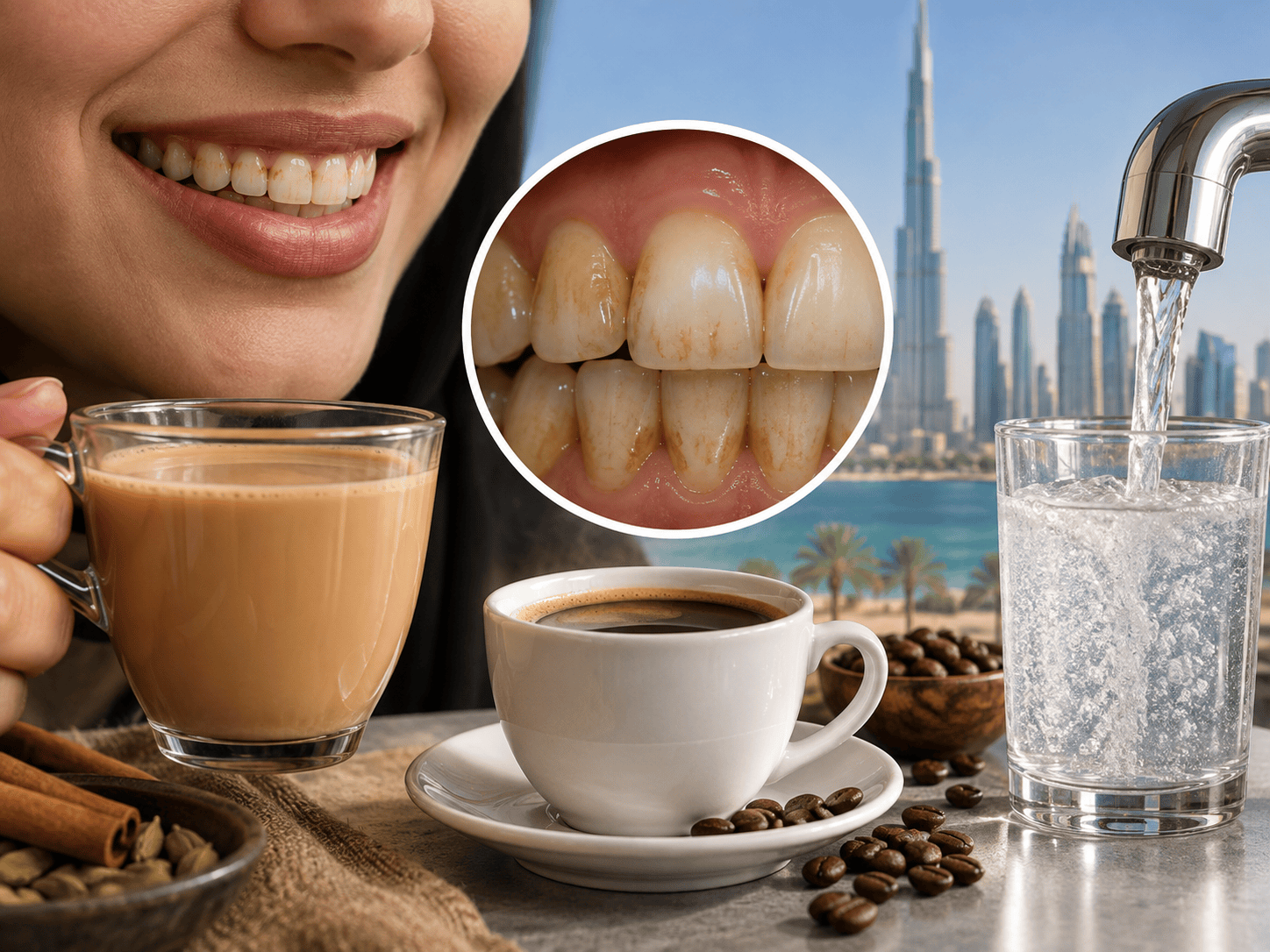
The kind of drink you have: If you drink Karak tea, coffee, or wine every day, the dark pigments can stick to rough tartar on your teeth and turn small buildup into visible dark stains.
Systemic Health Factors: Conditions like diabetes, autoimmune disorders, or chronic stress can compromise your immune system’s ability to fight oral bacteria, causing mild plaque to trigger heavy gum swelling much faster.
What Lengthens It
On the other hand, some factors let you safely extend the time between hygiene visits without risking your oral health.
Since you have never had bleeding gums or deep pockets in your periodontal history, your tissues are naturally resistant. Together with following a low-sugar diet, drinking a lot of water every day, and sticking to a good oral hygiene routine, which involves using an electric toothbrush, cleaning between the teeth with interdental brushes, and flossing every night, plaque will never have the opportunity to stay in place long enough to harden.
Patients who naturally produce less mineralized saliva also find that calculus forms much more slowly, allowing them to keep their enamel smooth for nearly a whole year.
What Happens If You Leave It Two Years
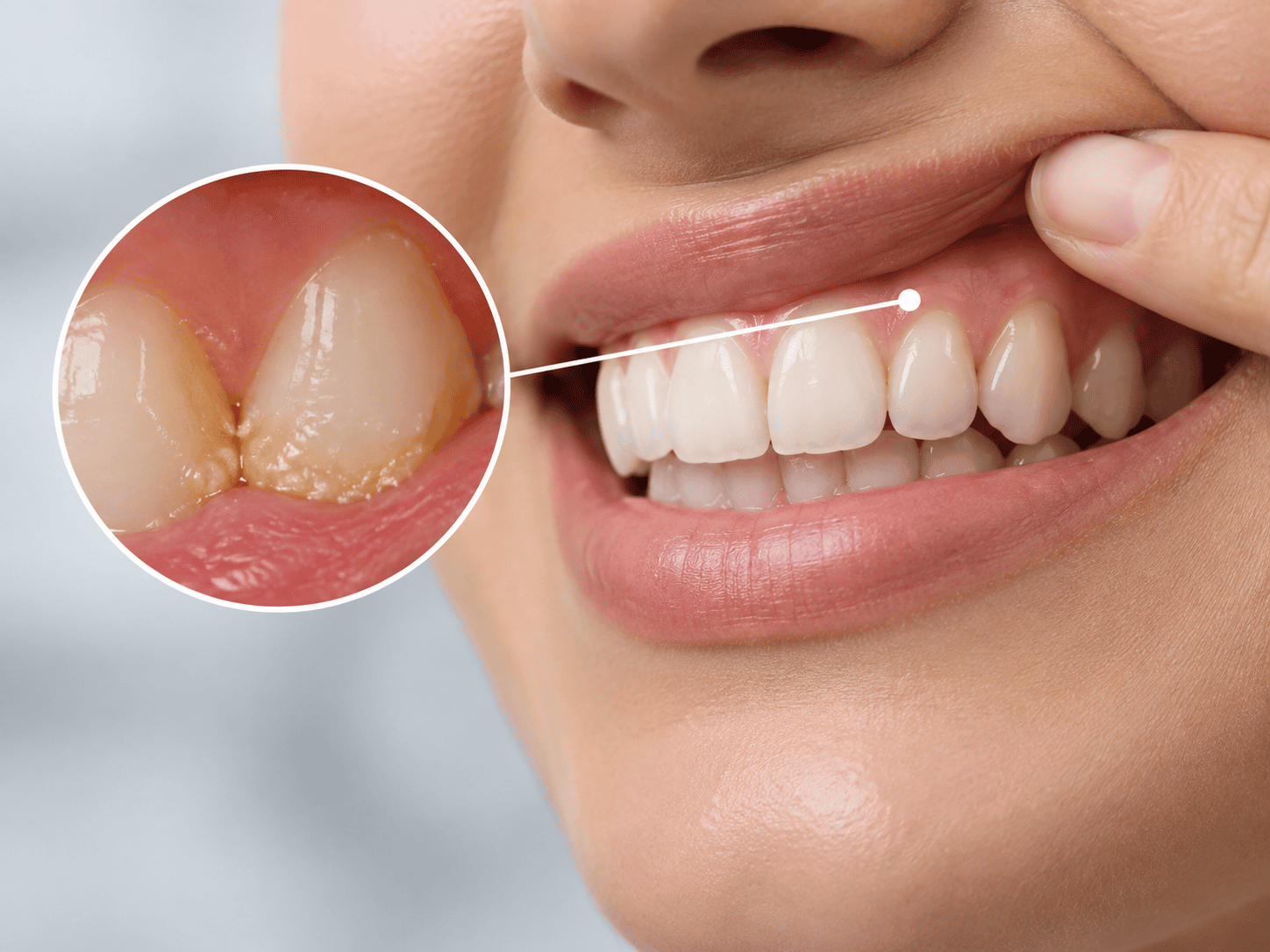
If you skip the dental chair for two years or longer, plaque will keep drawing minerals from your saliva and forming thick, layered deposits of calculus above and below your gumline.
As tartar builds up under the tissue, it creates a rough, permanent home for anaerobic bacteria. In response, your immune system sends inflammatory signals to the area. After about two years, this ongoing inflammation breaks down the soft tissue that attaches to your roots and dissolves the underlying jawbone that holds your teeth in place.
After years, a simple polishing won’t cure the problem, and you’ll need deep cleaning (including root planing) to clean the gums and remove hard subgingival calculus hidden beneath the soft tissue.
Setting a Cadence That Works in Dubai
The UAE’s environmental conditions affect how quickly teeth build up plaque, so if you are getting a teeth cleaning in Dubai, you should consider the local way of life.
Because of constant indoor air conditioning, high daily intake of Karak tea and specialty coffee, mineral-rich water, and the water they drink, many expats develop surface stains and calcified deposits much faster than they did at home. Dehydration from air conditioning reduces saliva flow, making it easier for dark pigments to set in the enamel.
When asked how often scaling should be done in this situation, the average resident says that following a routine every four to six months keeps dark stains and hard deposits from tap water from attaching to the teeth.
Frequently Asked Questions
Will professional cleanings cause my tooth enamel to wear down or thin?
No. Ultrasonic scalers and hand instruments are specifically engineered to vibrate and slide against enamel without removing the outer tooth structure. Scaling only detaches the foreign tartar bonded to the surface. Should I have my teeth scaled even if they don’t appear dirty?
Yes. Tartar often forms below the gumline where you cannot see it in a mirror. Even if the visible surfaces of your front teeth look clean, subgingival calculus can sit beneath the gums and cause silent bone loss.
Why do my teeth become sensitive right after a cleaning?
When the dentist removes the heavy tartar, it reveals sections of your teeth that the hard deposit has covered for a long time. Your teeth may become sensitive for a few days because they are suddenly exposed to cold drinks, air, and saliva again until everything settles.
Will using an electric toothbrush make it necessary to give up professional cleanings?
An electric toothbrush is very effective at removing soft plaque, but it can’t remove hard, calcified tartar once it has bonded to the enamel. Even those who brush thoroughly will still need occasional professional scaling.
Find Your Ideal Cleaning Schedule
The six-month rule is a useful starting point, but your hygiene routine should match your physiological circumstances. With your dentist at Art of Teeth, assess your saliva, daily routines, and gum health to establish a personal cleaning schedule that keeps your teeth smooth, clean, and strong for the rest of your life.