Severe tooth pain, deep decay, or a dental infection can leave you facing a difficult decision: should you save the tooth or have it removed? When comparing root canal vs. extraction, the main difference is that root canal treatment removes infected tissue while preserving your natural tooth. Tooth extraction removes the entire tooth when it cannot be saved, or keeping it is not advisable.
Understanding these differences can help you make an informed decision before your dental appointment.
What Is Root Canal Treatment?
Root canal treatment is a dental procedure that removes inflamed or infected pulp from inside a tooth while preserving its outer structure. The pulp contains nerves, blood vessels, and connective tissue. It can become damaged or infected because of deep decay, cracks, injuries, or repeated dental procedures.
The tooth is then restored with a filling or crown, depending on its condition.
When Might You Need a Root Canal?
Common signs include:
- Persistent or severe toothache
- Lingering sensitivity to hot or cold
- Pain when biting or chewing
- Swelling or tenderness around the gums
- A pimple-like swelling on the gum
- Tooth discoloration following an injury
However, some infected teeth cause few or no symptoms. A dental examination and appropriate tests are needed to confirm whether root canal therapy is necessary.
What Is Tooth Extraction?
Tooth extraction is the complete removal of a tooth from its socket in the jawbone. Dentists generally consider extraction when a tooth cannot be restored predictably or when removal is necessary for another clinical reason.
There are two main types:
- Simple extraction: The dentist loosens and removes a visible tooth using dental instruments.
- Surgical extraction: The dentist may need to make an incision or remove a small amount of bone to access a broken, impacted, or difficult-to-remove tooth.
Local anesthesia is commonly used to numb the area.
After extraction, a blood clot forms in the socket and helps protect the underlying tissues during healing. If the removed tooth needs replacement, your dentist may discuss an implant, bridge, or removable denture.
Root Canal vs Tooth Extraction: Key Differences
The root canal vs. tooth extraction decision depends primarily on whether the affected tooth can be saved and function reliably afterward.
| Comparison Factor | Root Canal | Tooth Extraction |
| Main purpose | Remove infected pulp and preserve the tooth. | Remove the entire tooth. |
| Natural tooth | Retained | Removed |
| Best suited for | Restorable teeth with damaged or infected pulp | Teeth that cannot be predictably saved |
| Procedure | Cleaning, shaping, and sealing root canals | Removing the tooth from its socket |
| Anesthesia | Usually local anesthesia | Usually local anesthesia |
| Recovery | Temporary tenderness or sensitivity | Socket healing, with possible swelling and soreness |
| Additional treatment | Filling or a crown may be required. | Replacement may be recommended. |
| Long-term effect | Maintains natural tooth structure | Leaves a gap unless replaced |
| Cost | Includes root canal and restoration | May include extraction and replacement costs |
A root canal preserves the tooth, while extraction removes it permanently.
When Is a Root Canal the Better Option?
Saving your natural tooth is generally preferable when it can be predictably treated and restored. Your dentist may recommend a root canal in the following situations.
Deep Decay Reaching the Pulp
When decay extends into the pulp and causes irreversible inflammation or infection, root canal treatment may remove the affected tissue without sacrificing the tooth.
Infected Tooth With Adequate Support
A tooth with an infected pulp may still be saved if its roots, surrounding bone, and remaining structure provide adequate support.
Cracked Tooth That Can Be Restored
Some cracked teeth can be treated with root canal therapy and a protective restoration. However, the location and extent of the crack determine whether the tooth is salvageable.
Dental Injury Affecting the Pulp
An injury may damage the pulp even when the outer tooth appears intact. Root canal treatment may be necessary if the pulp becomes irreversibly damaged or infected.
Experiencing tooth pain or signs of infection? Book an assessment with a dentist in Al Barsha at Art of Teeth to find out whether your natural tooth can be preserved.
When Is Tooth Extraction Necessary?
Although preserving natural teeth is usually preferred, extraction may be the more appropriate option when the tooth has a poor prognosis.
- Severe Tooth Damage
A tooth may need removal when extensive decay or breakage leaves insufficient structure for a reliable restoration.
- Vertical Root Fracture
A fracture extending vertically through the root can make a tooth difficult or impossible to save.
- Advanced Gum Disease
Severe periodontal disease may destroy the tissues and bone supporting a tooth. Extraction may be necessary if adequate support cannot be maintained.
- Tooth That Cannot Be Restored
Even if root canal treatment could eliminate the infection, the tooth may not be worth retaining if it cannot support a lasting filling or crown.
- Impacted or Problematic Teeth
Some impacted teeth, particularly wisdom teeth, require removal because of infection, damage to nearby teeth, or other complications.
Before removing a potentially restorable tooth, ask whether endodontic treatment or specialist evaluation could offer a reasonable alternative.
Root Canal vs Extraction: Which Procedure Is More Painful?
Pain is a common concern when choosing between these treatments. Modern root canal procedures and tooth extractions are usually performed under local anesthesia to minimize pain.
Pain During a Root Canal
You may experience pressure or vibration while the dentist works, but local anesthesia is intended to prevent significant procedural pain. Mild tenderness afterward is common, particularly when infection or inflammation was present.
Pain During Tooth Extraction
You may feel pressure or movement as the tooth is loosened. Difficult extractions can involve more tissue manipulation. Once the anesthesia wears off, soreness, swelling, or discomfort may occur.
| Pain Factor | Root Canal | Tooth Extraction |
| During treatment | Usually controlled with anesthesia | Usually controlled with anesthesia |
| After treatment | Mild to moderate tenderness may occur. | Socket soreness and swelling may occur. |
| Healing | Tooth and surrounding tissues recover. | Gum and bone tissues heal. |
| Potential complications | Persistent infection or reinfection | Dry socket, infection, or delayed healing |
Neither procedure should be described as completely painless. The experience depends on the tooth’s condition, procedure complexity, and individual pain sensitivity.
What to Expect During Both Procedures
Understanding the treatment process can help reduce uncertainty before your appointment.
Root Canal Procedure
- Dental assessment: The dentist examines the tooth and uses X-rays or other tests when appropriate.
- Local anesthesia: The treatment area is numbed.
- Pulp removal: An opening is made in the tooth to access and remove damaged pulp.
- Canal cleaning: The root canals are cleaned, disinfected, and shaped.
- Sealing and restoration: The canals are filled and sealed, followed by a suitable restoration.
Depending on the complexity, treatment may require one or more appointments.
Tooth Extraction Procedure
- Examination: The dentist evaluates the tooth, roots, and surrounding bone.
- Anesthesia: The area is numbed.
- Tooth removal: The tooth is loosened and removed. Surgical access may be required.
- Bleeding control: Gauze is placed to help a protective clot form.
- Aftercare: The dentist provides instructions for healing and discusses replacement options when appropriate.
Both procedures require professional follow-up if symptoms persist or complications develop.
Root Canal vs. Extraction Cost in Dubai
When comparing root canal vs. extraction cost, it is important to consider both the initial procedure and potential future treatment.
What Affects Root Canal Cost?
- Whether the tooth is a front tooth, premolar, or molar
- Number and complexity of root canals
- Severity of infection
- Need for specialist treatment
- Final restoration, including a filling or crown
What Affects Extraction Cost?
- Simple versus surgical removal
- Tooth position and root anatomy
- Whether the tooth is impacted or fractured
- Additional procedures, such as bone grafting
- Type of replacement, if required
| Cost Consideration | Root Canal | Extraction |
| Initial procedure | Depends on canal complexity | Depends on extraction complexity |
| Additional restoration | Filling or crown | Implant, bridge, or denture if needed |
| Follow-up costs | Possible restoration maintenance | Possible replacement maintenance |
| Overall expense | May be lower when the tooth is retained | May increase substantially with replacement |
Ask your dentist for an itemized quotation that includes all recommended procedures before comparing the two options.
Recovery and Aftercare: What Should You Expect?
Recovery differs because root canal treatment preserves the tooth, while extraction creates a wound in the socket.
After Root Canal Treatment
Mild tenderness may occur for several days.
To support recovery:
- Avoid chewing hard foods on the treated tooth until your dentist advises otherwise.
- Take prescribed or recommended medication as directed.
- Maintain regular brushing and flossing.
- Complete the permanent filling or crown promptly.
- Attend recommended follow-up appointments.
After Tooth Extraction
Initial gum healing typically takes approximately one to two weeks, although deeper bone healing takes longer.
During the first 24 hours:
- Avoid vigorous rinsing or spitting.
- Do not use straws.
- Avoid smoking or vaping.
- Eat soft foods and follow your dentist’s instructions.
- Avoid disturbing the blood clot.
Follow your dentist’s advice about when to begin gentle saltwater rinses.
Saving a Tooth vs Extraction: Long-Term Effects
The saving a tooth vs extraction decision involves more than immediate pain relief.
Benefits of Saving Your Natural Tooth
Retaining a restorable tooth can:
- Maintain natural chewing function
- Preserve your existing bite
- Avoid leaving a missing-tooth space
- Reduce the need for replacement treatment
- Help maintain surrounding tissues and bone support
However, a root canal-treated tooth may still require future care, and treatment success is not guaranteed.
What Happens After Extraction?
Removing a tooth eliminates the infected or damaged tooth, but it also leaves a space. Depending on the tooth’s position, neighboring teeth may shift over time. The jawbone around the missing tooth may also undergo changes.
Replacement options include:
- Dental implant: A titanium or other suitable implant is placed in the jawbone to support a replacement tooth.
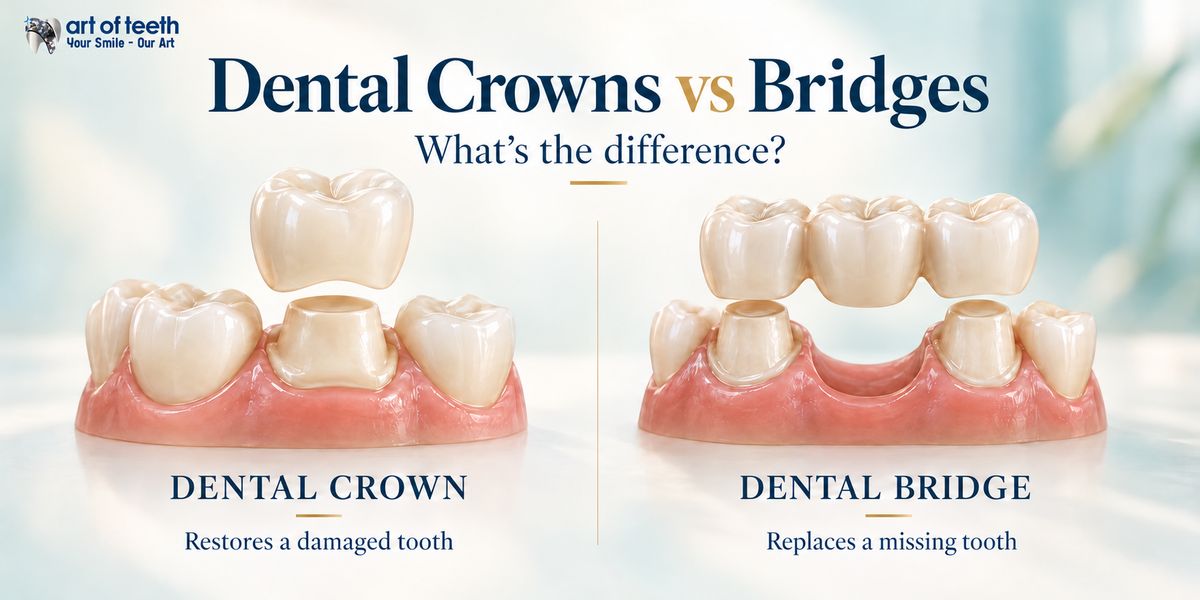
- Dental bridge: A fixed restoration replaces a missing tooth using neighboring teeth or implants for support.
- Partial denture: A removable appliance replaces one or more missing teeth.
Not every extracted tooth requires replacement. Wisdom teeth, for example, are commonly removed without being replaced.
How to Choose the Right Treatment
If you’re wondering whether it’s better to pull a tooth or get a root canal, the answer depends on whether the natural tooth has a reasonable chance of long-term survival.
Consider these questions during your dental consultation:
- Can the tooth be predictably saved?
- Is enough healthy tooth structure available for restoration?
- Are the roots and surrounding bone healthy enough?
- Will a crown be needed after root canal treatment?
- What is the prognosis of each option?
- What are the total costs, including any tooth replacement?
- Would an endodontist’s opinion help clarify the decision?
Root Canal or Extraction: Quick Decision Guide
| Your Dental Situation | Option to Discuss |
| Infected pulp with restorable tooth structure | Root canal |
| Deep decay but adequate remaining tooth | Root canal, if pulp treatment is required |
| Severe vertical root fracture | Extraction |
| Tooth with inadequate periodontal support | Extraction may be necessary |
| Extensive decay leaving a non-restorable tooth | Extraction |
| Uncertain prognosis | Further evaluation or specialist opinion |
At Art of Teeth Dental Clinic, patients can explore root canal treatment in Al Barsha and discuss whether preserving or removing the affected tooth is appropriate.
Not sure which option is right for you? Schedule a dental consultation at Art of Teeth to review your tooth’s condition, treatment alternatives, and expected costs.
Frequently Asked Questions
1. Is it better to pull a tooth or get a root canal?
A root canal is generally preferred when the natural tooth can be predictably saved and restored. Extraction may be necessary when a tooth is severely damaged, fractured, or lacks adequate support. Your dentist should assess the tooth before recommending either procedure.
2. Is root canal treatment safer than extraction?
Both procedures are established dental treatments when appropriately performed. Their risks differ. Root canal treatment preserves the tooth but can sometimes require retreatment. Extraction creates a surgical wound and carries risks such as bleeding, dry socket, and infection.
3. Is extraction cheaper than a root canal?
Simple extraction may cost less initially. However, replacing the missing tooth with an implant, bridge, or denture can increase the total expense. A root canal plus restoration may be more economical in some cases, depending on treatment complexity.
4. Can a severely infected tooth be saved with a root canal?
Yes, some severely infected teeth can be saved through root canal treatment if they have sufficient remaining structure and adequate support. However, extensive fractures, severe periodontal damage, or an inability to restore the tooth may make extraction necessary.
5. Can you leave a gap after tooth extraction?
Sometimes, but the decision depends on which tooth was removed, your bite, and surrounding teeth. Leaving a gap may allow unwanted tooth movement or affect chewing. Ask your dentist whether replacement is recommended for your situation.
6. How long does a root canal-treated tooth last?
A successfully treated and properly restored tooth may function for many years, sometimes for a lifetime. Longevity depends on the tooth’s original condition, final restoration, oral hygiene, and regular dental care. No specific lifespan can be guaranteed.
Should You Save or Remove Your Tooth?
When comparing root canal vs. extraction, preserving a natural tooth is generally the preferred approach when it is clinically feasible. The best decision should consider tooth condition, long-term prognosis, recovery, and total treatment costs.
Concerned about an infected or damaged tooth? Book an appointment at Art of Teeth Dental Clinic in Al Barsha, Dubai, for an examination and personalized treatment recommendation.