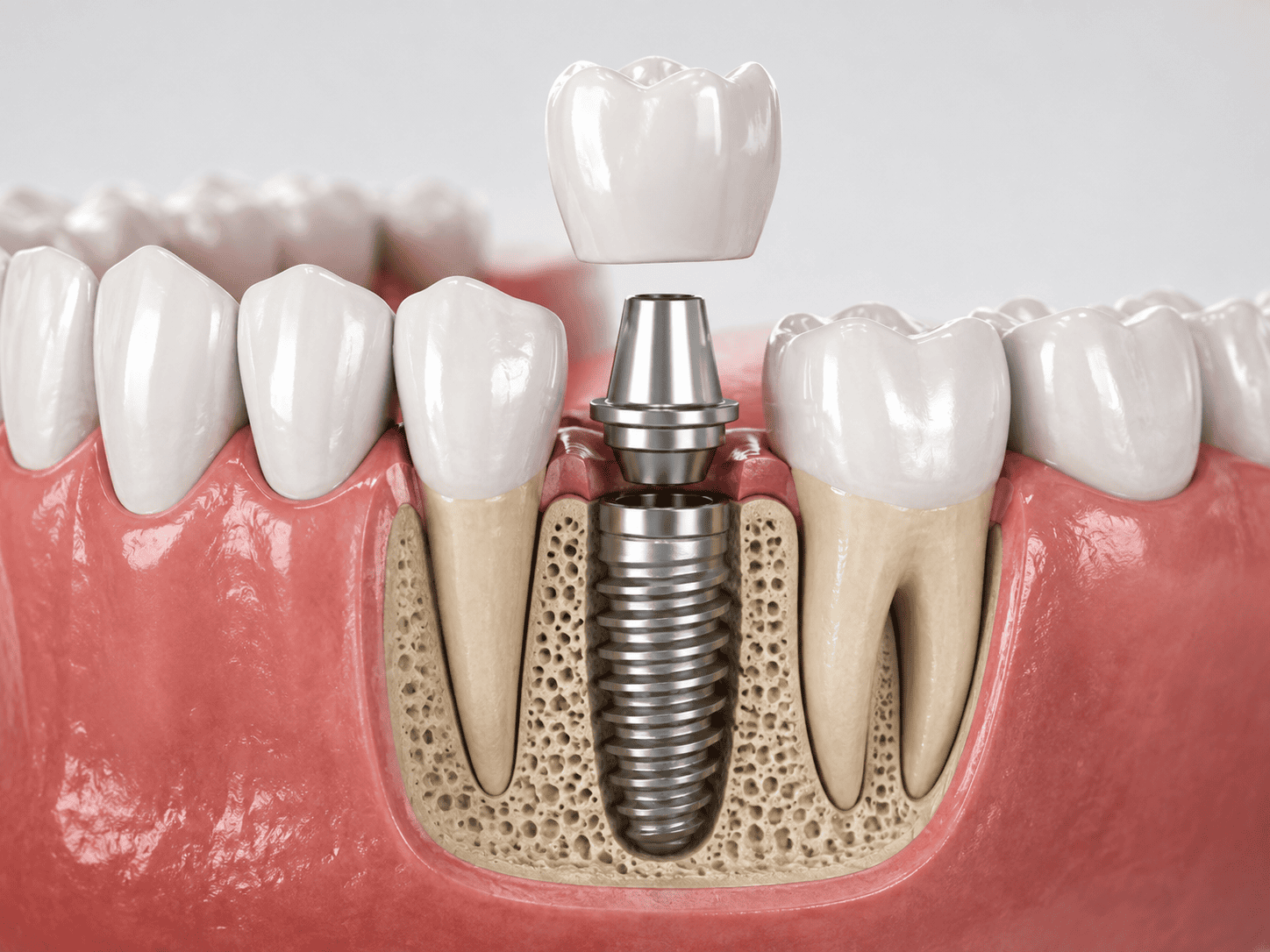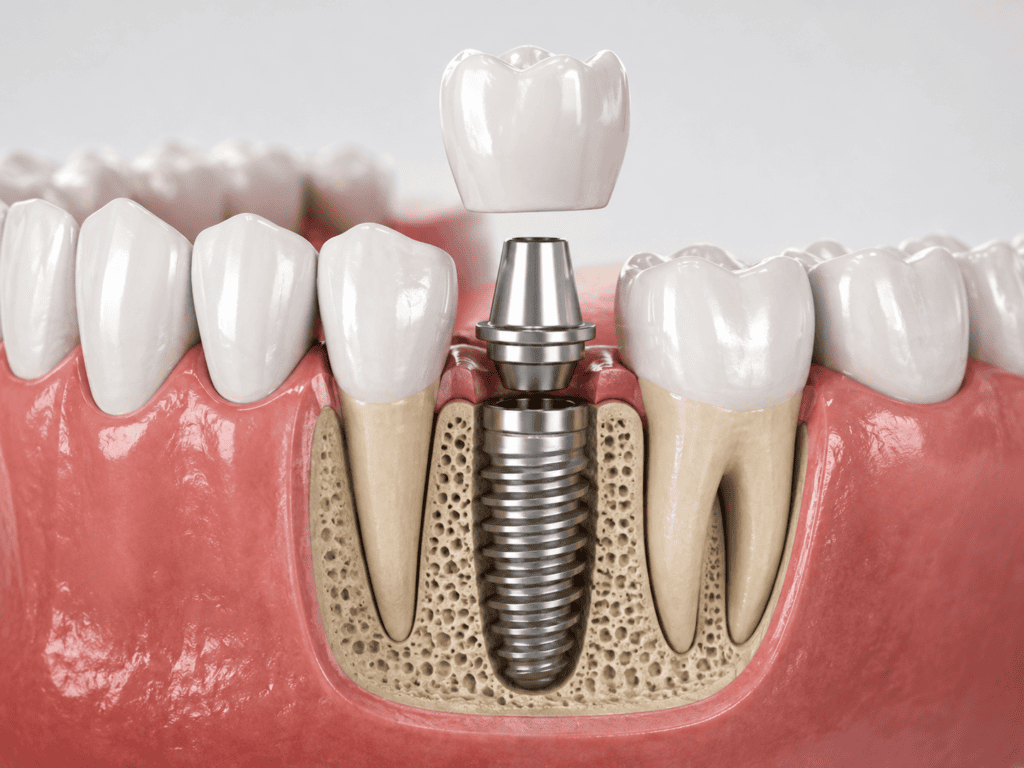
If you need to replace a missing tooth, looking at the actual dental implant Dubai clinics follow makes the whole thing a lot less intimidating. It isn’t a quick single-day job; it’s a multi-step process that takes a few months so your new tooth actually lasts. Here is what the entire timeline looks like, from your first scan to the final crown, along with realistic recovery expectations.
Step 1: Consultation & 3D Imaging Assessment
Everything starts with a proper diagnostic check. When you go in for your first visit, your dentist won’t just look around with a mirror. They’ll run a 3D CBCT scan to get a full look at what’s going on under your gums.
This scan shows the exact height and density of your jawbone, where your nerves run, and how close your sinus cavities are. If you’re visiting a practice for dental implants in Al Barsha or anywhere else around central Dubai, the dentist will also check your overall gum health and go over your medical background, like whether you smoke or have diabetes, to make sure you’re good for surgery.
Step 2: Treatment Planning & Implant Selection
Once your scans are ready, the surgeon uses digital planning software to map out the exact angle and depth for the post before you ever sit in the chair.
During this stage, your doctor picks out the hardware that fits your specific jaw:
Choosing materials: Deciding between classic titanium (the standard for durability) or full zirconia (a white ceramic option).
Making a surgical guide: 3D-printing a custom plastic template that rests on your gums during surgery to guide the drill with high accuracy.
Prep work: If your 3D scan shows thin or weak bone, your dentist will schedule a bone graft or sinus lift first to build up a solid base.
Step 3: Implant Placement Surgery: What to Expect
The actual surgical appointment is usually the part people dread most, but in practice it’s pretty quick.
On surgery day, the doctor numbs up the entire area using local anesthesia. You’ll feel some pressure while they work, but no actual pain. The surgeon makes a tiny cut in the gum, uses the surgical guide to make a small pilot hole in the bone, and gently screws the titanium post into place. Once that’s set, they close the gums over or around the post with a couple of small stitches. For a single tooth, you’re usually done in under an hour.
Step 4: Osseointegration & Healing Period
After the post is in place, the real work happens under the surface. This healing phase is called osseointegration; your living jawbone fuses directly to the surface of the titanium screw over time.
This phase usually takes anywhere from 8 to 12 weeks (though it can take up to 6 months if you needed a big bone graft beforehand). During these weeks:
- The post locks into place permanently, serving as a solid new root.
- You can eat normally on the opposite side of your mouth once the initial soreness dies down after week one.
- Your dentist can put a light temporary crown on top so you don’t have to walk around with an empty gap while it heals.
Step 5: Crown or Prosthesis Placement
Once your surgeon checks an X-ray and confirms your bone has completely locked onto the post, you’re ready for the final piece.
The dentist attaches a tiny connector, called an abutment, to the top of the post. They’ll take a quick digital scan of your mouth, and a lab will use it to make your permanent crown from solid zirconia or high-grade porcelain. A week or two later, you head back in to have that crown fitted onto the abutment. The dentist checks your bite to make sure it feels right, and you’re good to go.
Same-Day vs. Traditional Implant Timelines
When looking at options for dental implants Dubai clinics advertise, you’ll probably see ads for “same-day implants” alongside traditional plans. Here is how they actually compare:
Traditional Timeline (3 to 6 Months): This is the safest, most common route. The post gets placed, sits underground to heal for a few months, and only gets the permanent crown once the bone is completely solid around it.
Same-Day Implants (Immediate Loading): The tooth is removed, the post is placed, and a temporary crown is attached, all in a single appointment. It saves time, but it only works if your jawbone is naturally very dense and strong enough to handle chewing pressure right away.
Recovery Tips & Aftercare
Recovering from simple implant surgery is pretty straightforward if you follow a few basic rules for the first few days:
Keep the swelling down: Hold an ice pack against the outside of your cheek for 15 minutes on and off during the first 24 hours.
Here is a quick, completely natural rewrite of those three aftercare points so they read like genuine, off-the-cuff advice from a real person:
Stick to soft foods: Think yogurt, soup, mashed potatoes, or smoothies for the first 3 to 5 days. You’ll definitely want to avoid anything hot, spicy, or crunchy near the spot where they worked.
Skip the straws (and smoking): Avoid using straws or smoking for at least a week. The suction creates negative pressure in your mouth that can pull out the blood clot your gums need to heal up properly.
Keep things clean: Starting 24 hours after your appointment, gently rinse your mouth with warm salt water or whatever mouthwash your doctor prescribed. Just keep it gentle so you don’t irritate the site. Don’t scrub the stitches directly with your toothbrush.
Is the Dental Implant Procedure Painful?
During the procedure itself, no. Your surgeon completely numbs the area beforehand so that you won’t feel anything beyond dull pressure.
Once the numbing wears off later in the day, it mostly feels like a mild, manageable ache very similar to getting a tooth pulled. The soreness and jaw stiffness usually peak around day two or three after your dental treatment and clear up within a week. Basic over-the-counter pain meds like ibuprofen or paracetamol are usually more than enough to handle it.
FAQS
1. How much time off work will I actually need?
Honestly, most people just take the day of the procedure off to rest. Unless your job involves heavy lifting or hard manual labor, you’ll usually be good to head back to work the very next day.
2. What happens if I smoke while the implant is healing?
Smoking cuts down blood flow to your gums and bone, which slows healing way down and bumps up the risk of the implant failing. Dentists strongly recommend quitting or cutting back as much as possible for two weeks before surgery and several weeks after.
3. Can I get a few implants done in the same visit?
Yeah, definitely. If you need a few teeth replaced or you’re getting a full jaw done with All-on-4, your surgeon can easily put all the screws in during one visit using digital guides.
4. How do I keep the implant clean after the crown goes on?
Even though implants can’t catch cavities, the gum tissue surrounding them can still get irritated if plaque builds up. Basic daily brushing, flossing, and your usual dental cleanings will keep everything in good shape for the long haul.
Ready to Get Things Moving?
Replacing a missing tooth isn’t scary once you know what each step actually involves. Give Art of Teeth a call today to book your first visit, get your 3D scan taken care of, and work out an implant plan that fits your timing and budget